Why Doctors Prescribe Cialis for Erectile Dysfunction?

Doctors prescribe Cialis for erectile dysfunction because it increases blood flow to your penis, helping you achieve and maintain an erection when sexually aroused.

Cialis Prescription For Erectile Dysfunction

How It Works

Cialis contains the active ingredient tadalafil, which belongs to a class of medicines called PDE5 inhibitors. This medicine blocks the enzyme PDE5, allowing the blood vessels in your penis to relax and widen. As a result, you experience improved blood circulation that supports a firm erection during sexual activity.

Duration of Action

One of the main reasons doctors choose Cialis is its long-lasting effect. Unlike other ED medications, Cialis can remain active in your body for up to 36 hours, giving you more flexibility and reducing pressure to plan sexual activity around a pill’s short timeframe.

Dosage Options

Cialis can be prescribed in two ways:

As-needed use: You take it before sexual activity, usually cialis 20mg tablet.

Daily use: A lower dose (2.5–5 mg) taken once daily, which maintains steady levels in your system. This option is helpful if you prefer spontaneity without planning ahead.

What Medical Conditions Make Cialis a Safer Choice for Me?

Cialis (tadalafil) is often preferred over other ED medicines in certain medical situations because of its longer duration, flexible dosing, and additional benefits. But whether it’s safer for you depends on your overall health and your doctor’s assessment.

Benign Prostatic Hyperplasia (BPH)

If you also have BPH (an enlarged prostate) along with erectile dysfunction, Cialis can be a safer choice. It improves urinary symptoms like difficulty starting urination, weak stream, or frequent night urination, so you get two treatments in one medication.

Controlled High Blood Pressure

For men with well-managed high blood pressure, Cialis is often safe. It doesn’t cause sudden blood pressure drops as aggressively as some other medications. However, you should not use it with nitrates (like nitroglycerin) or certain alpha-blockers, since that combination can dangerously lower blood pressure.

Diabetes

Erectile dysfunction is common in men with diabetes due to poor blood flow and nerve issues. Cialis may be a safer, reliable choice because it’s effective even in men whose ED is linked to long-term diabetes complications. 

Heart Conditions (Stable Cases)

If you have stable cardiovascular disease (like mild, well-controlled angina or after recovery from a heart procedure) and your doctor has cleared you for sexual activity, Cialis can be prescribed. But it must be avoided if you’re on nitrates or have unstable heart problems.

Need for Flexibility & Spontaneity

Cialis may be a safer lifestyle choice for men who don’t want to take medication “right before” intimacy. Its 36-hour duration or low daily dosing reduces stress and planning, especially useful if you experience anxiety related to performance.

Why Might a Doctor Choose Daily Low-Dose Cialis Over as-needed Dosing?

A doctor might choose daily low-dose Cialis instead of the usual “as-needed” dose when it better fits your health condition and lifestyle.

Steady Levels in Your Body

Daily Cialis (2.5–5 mg once a day) keeps tadalafil at a stable level in your bloodstream. This means you’re always ready for sexual activity without having to plan around taking a pill.

More Natural & Spontaneous Intimacy

With as-needed dosing (10–20 mg), you usually have to take the tablet at least 30 minutes before sex. If you prefer intimacy to feel natural and unplanned, daily dosing avoids this scheduling.

Better for Men with Frequent Sexual Activity

If you’re sexually active several times a week, daily Cialis may be more practical and sometimes more cost-effective than taking multiple higher-dose tablets.

Helpful for Benign Prostatic Hyperplasia (BPH)

Daily Cialis also treats urinary symptoms caused by an enlarged prostate. If you have both ED and BPH, your doctor may recommend a daily low dose to manage both conditions at once.

Reduced Side Effects for Some Men

Since the daily dose is much lower, some men experience fewer side effects like headache, flushing, or indigestion compared to taking the higher as-needed dose.

What Clinical Factors Make Daily Low-Dose Tadalafil Preferable to as‑needed Dosing?

Doctors don’t just look at convenience when deciding between daily low-dose tadalafil (Cialis) and as-needed dosing. They also weigh clinical factors that affect safety and effectiveness.

Frequency of Sexual Activity

If you expect to have sex more than twice a week, daily dosing may be more suitable. It keeps tadalafil at steady levels in your body, avoiding the need to take a pill before every encounter.

Coexisting Benign Prostatic Hyperplasia (BPH)

Daily tadalafil (2.5–5 mg) is also approved for BPH, helping with urinary symptoms like weak stream or frequent nighttime urination. If you have both ED and BPH, daily treatment addresses both conditions.

Cardiovascular Stability

In men with stable cardiovascular disease who are cleared for sexual activity, daily low-dose therapy may reduce sudden cardiovascular stress compared with higher as-needed doses. It provides smoother, more predictable blood vessel relaxation.

Tolerability & Side Effect Profile

Daily use often means fewer side effects because the dose is lower (2.5–5 mg vs. 10–20 mg as needed). Men sensitive to headaches, flushing, or stomach upset from higher doses may tolerate daily dosing better.

Patient Preference for Spontaneity

For men who experience performance anxiety or dislike the “timing pressure” of taking a pill, daily tadalafil helps maintain confidence by allowing sexual activity anytime.

Metabolic or Chronic Health Conditions

Men with diabetes, hypertension, or mild kidney impairment may benefit from daily therapy because the low dose maintains a consistent effect without the peaks and troughs of on-demand use, reducing strain on the body.

How Long Viagra Takes to Work?

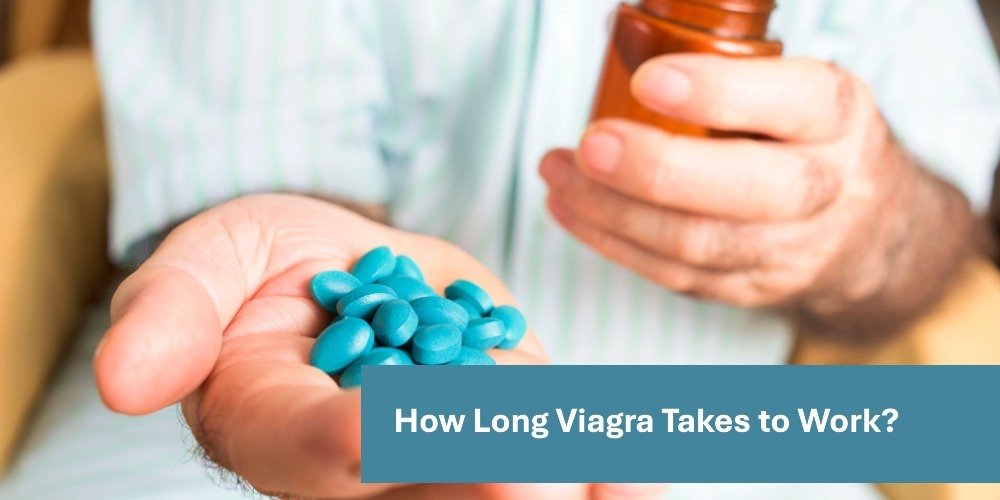
Viagra typically takes about 30 to 60 minutes to start working.

Explanation of Viagra Working Time

Onset Time: After you take Viagra, it usually begins to work within 30 to 60 minutes. This is the time it takes for the medication to start affecting your blood flow.

Factors that Affect Timing: The time it takes can vary based on factors like whether you’ve eaten recently or if you’ve had alcohol. Taking Viagra on an empty stomach may help it work faster.

Peak Effect: Viagra reaches its peak effectiveness around 1 to 2 hours after taking it. This is when you’ll likely experience the best results in terms of hardness.

Duration of Action: The effects can last up to 4 to 6 hours, allowing you to maintain an erection during this time if you are sexually stimulated.

Taking Viagra on a Full Stomach

When taken on a full stomach, Viagra can take up to 60 to 120 minutes to start working.

Factors That Affect the Timing

Delayed Absorption: A full stomach, especially one with a heavy meal, can slow down the absorption of Viagra. This means it may take longer for the medication to enter your bloodstream and start working.

Food Impact: Fatty foods in particular can delay Viagra’s effects because they slow digestion, causing the medication to be absorbed more slowly. You might notice a delay in how quickly you feel its effects compared to when you take it on an empty stomach.

Effectiveness: While the medication still works, the timing is longer compared to when taken on an empty stomach. The full effects may take up to 2 hours to fully kick in.

Peak Effect: Just like when taken on an empty stomach, Viagra’s peak effect will occur around 1 to 2 hours after taking it, but you may need to be patient if you’ve recently eaten.

Taking Viagra on an Empty Stomach

When taken on an empty stomach, Viagra typically starts working in 30 to 60 minutes.

Explanation:

Faster Absorption: Taking Viagra on an empty stomach allows it to be absorbed more quickly because there’s less food to slow down the process. This means you’ll likely feel the effects faster.

Peak Effect: After 30 to 60 minutes, you’ll start experiencing the medication’s effects, with the peak effectiveness occurring around 1 hour. This is when the medication works best to help you achieve and maintain an erection during sexual activity.

Duration of Action: Viagra’s effects will last around 4 to 6 hours, giving you enough time for sexual activity if you’re aroused.

Taking Viagra Tablet After Eating

After eating, Viagra can take up to 60 to 120 minutes to start working.

Explanation:

Delayed Absorption: Eating a meal, especially one that is fatty or heavy, can slow down the absorption of Viagra. This means the medication may take longer to enter your bloodstream and begin to work effectively.

Impact of Food: A full stomach can delay how quickly you feel the effects of Viagra. The medication still works, but you might not feel the results as soon as you would if you took it on an empty stomach.

Peak Effect: While Viagra usually reaches peak effectiveness within 1 to 2 hours of taking it, you may need to be more patient if you’ve eaten recently.

Duration of Action: The effects still last for 4 to 6 hours, but the onset might be slower. 

How Cialis Compares to Viagra and Levitra?

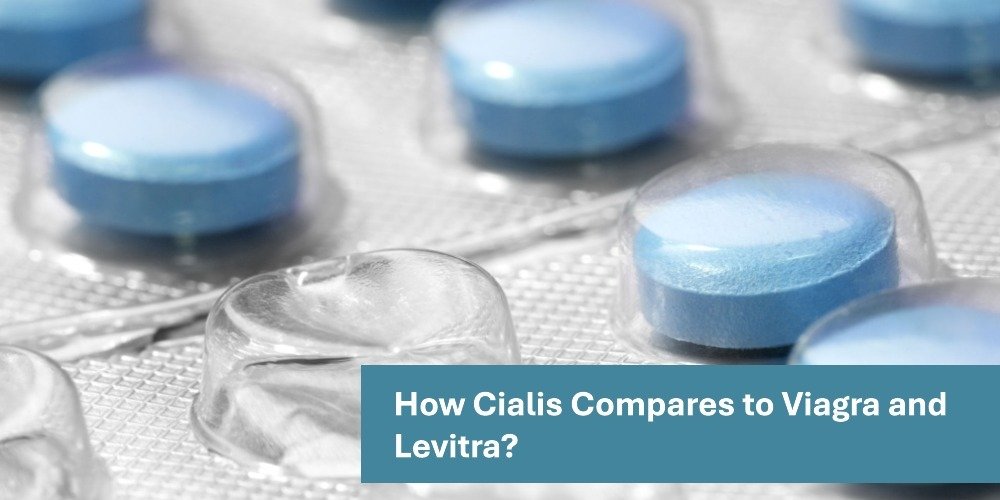
Cialis, Viagra, and Levitra are all medicines used for erectile dysfunction, but they mainly differ in how long they last, how quickly they work, and how food affects them. Cialis usually lasts much longer (up to 36 hours), and Viagra and Levitra last around 4–6 hours. Cialis can be taken daily or as needed, while Viagra and Levitra are usually taken only when required.

Comparison of Cialis, Viagra and Levitra

Cialis

If you take Cialis, you will notice that it lasts much longer compared to the others up to 36 hours. This gives you more flexibility since you don’t have to plan the timing as strictly. Cialis can also be used as a low-dose daily tablet, which means you’re ready any time without waiting. It generally starts working in about 30 minutes, and food does not reduce its effect.

Viagra

When you use Viagra, it starts working in about 30 to 60 minutes. The effect usually lasts 4 to 6 hours. One thing you should keep in mind is that heavy or fatty meals may slow down its absorption, which could delay the effect. Viagra is taken as needed, not daily.

Levitra

Levitra works in a very similar way to Viagra, taking effect in 30 to 60 minutes and lasting about 4 to 5 hours. Just like Viagra, food can sometimes reduce how quickly it works, but it may have a slightly better tolerance for people with certain health conditions (like diabetes).

Summary for You

Cialis: Best if you want a longer window of up to 36 hours or prefer a daily low-dose option.

Viagra: Works reliably for 4–6 hours but may be delayed by food.

Levitra: Similar to Viagra in timing and duration, but sometimes better tolerated by men with health conditions.

Is a Cialis 20mg is equal to a Viagra tablet?

No, Cialis 20mg is not equal to Viagra 100mg because both medicines contain different active ingredients and work differently in your body, even though they are used for the same condition.

Cialis 20mg

If you take a Cialis 20mg tablet, the active ingredient is tadalafil. It usually starts working in about 30 minutes and can last up to 36 hours. This long duration gives you a much wider window of time for sexual activity without needing to plan strictly around the dose. Cialis can also be taken in lower doses daily, but 20mg is the maximum strength used when taken as needed.

Viagra 100mg

When you take Viagra 100mg, the active ingredient is sildenafil. It generally starts working in 30 to 60 minutes and lasts about 4 to 6 hours. The 100mg strength is the highest commonly prescribed dose, usually taken only when needed. Heavy or fatty meals can delay its effect, so you may notice it works more slowly if you eat before taking it.

How They Compare for You

Potency: You cannot compare the milligrams directly, since 20mg of tadalafil (Cialis) and 100mg of sildenafil (Viagra) are not equal in strength.

Duration: Cialis lasts much longer (up to 36 hours), while Viagra is shorter (4–6 hours).

Onset: Both begin working within 30–60 minutes, but Viagra may be slowed down by food.

Usage: Cialis offers flexibility with its long duration, while Viagra provides a shorter, predictable effect.

Is Cialis Stronger Than Viagra?

Cialis is not necessarily stronger than Viagra, they both work differently, and which one is better depends on your personal needs and how your body responds.

Although it is reported effectiveness of Viagra, at 84% is slightly higher than that of Cialis at 81%.

Which Has More Side Effects Cialis, Viagra, or Levitra?

When comparing Cialis, Viagra, and Levitra. Cialis tends to have fewer and less severe side effects compared to Viagra and Levitra, while Viagra tends to have a higher incidence of visual disturbances, and Levitra users might experience more common symptoms like nasal congestion and flu-like.

Levitra vs Viagra Hardness

When comparing Viagra and Levitra in terms of erection hardness, Levitra often stands out as the better option for many users because Levitra often provides a firmer and more consistent erection. Many users report a stronger and more reliable hardness compared to Viagra, making it a better option for achieving that “rock-hard” erection. While both medicines last about 4 to 6 hours, many find they provide a longer-lasting and more stable erection throughout the duration.

How Safe Is Daily Cialis Use?

Daily Cialis use is generally safe for most men when prescribed by a doctor at the recommended dose of 2.5 mg to 5 mg once per day, but safety depends on your overall health, other medications you take, and any underlying medical conditions.

Explanation in Detail

Standard Daily Dosage

If you are prescribed Cialis for daily use, the usual dose is either 2.5 mg or 5 mg taken once every 24 hours. This lower dose is designed for continuous use, unlike the higher “as-needed” doses of 10 mg or Cialis 20 mg tablet.

Safety Profile

When taken daily in the proper dosage, most men tolerate Cialis well. Studies show that it is safe for long-term use in men with erectile dysfunction (ED) and benign prostatic hyperplasia (BPH). The safety has been confirmed in trials lasting up to 18–24 months without major complications in otherwise healthy men.

Possible Side Effects

You may experience mild side effects such as headache, flushing, indigestion, back pain, or muscle aches. These usually improve after your body adjusts. However, rare but serious effects like sudden vision or hearing loss, chest pain, or prolonged erections (priapism) require immediate medical attention.

Interactions with Other Medications

Daily Cialis can be unsafe if you are taking nitrates (used for chest pain) or certain blood pressure medicines, as this combination can dangerously lower your blood pressure. It may also interact with some antibiotics, antifungals, and HIV medicines, so you should always inform your doctor about every drug you use.

Underlying Health Conditions

If you have heart disease, uncontrolled blood pressure, severe liver or kidney disease, or a history of stroke or heart attack, daily Cialis may not be safe. Your doctor will decide if it is right for you based on your health status.

Long-Term Considerations

Research suggests that daily low-dose Cialis can even improve urinary symptoms linked to prostate enlargement. But it is not recommended to use it without medical supervision, as regular monitoring is important to keep it safe for you.

Is Daily Cialis Good for You?

Yes, Daily Cialis 5mg can be good for you if you have erectile dysfunction (ED) or benign prostatic hyperplasia (BPH), as it helps maintain consistent sexual function and improves urinary symptoms, but its benefits depend on your health condition, correct dose (2.5 mg to 5 mg daily), and medical supervision.

Explanation in Detail

Steady Improvement in Erections

By taking Cialis every day at a low dose, you keep a constant level of the active ingredient (tadalafil) in your body. This means you don’t need to plan sexual activity around the timing of a pill, making intimacy feel more natural for you.

Added Benefits for Prostate Health

If you also have an enlarged prostate, the daily 5 mg dose can reduce symptoms like frequent urination, weak urine flow, or urgency. This dual effect makes it especially useful for men with both ED and BPH.

Convenience and Flexibility

Daily Cialis is good for you if you prefer spontaneity. Unlike the higher “as-needed” doses, the daily version allows you to be ready anytime without waiting for the medication to start working.

Safety with Proper Use

Most men tolerate the daily dose well, with studies showing safety for up to 18–24 months of continuous use. Side effects such as headache, indigestion, or back pain are usually mild and often go away once your body adjusts.

Who Should Avoid It

Daily Cialis is not good for you if you take nitrates for chest pain, certain blood pressure medicines, or if you have severe heart, liver, or kidney problems. In these cases, it could be unsafe.

Is Cialis Daily Effective?

Yes, Cialis Daily is effective when taken at the recommended low dose of 2.5 mg to 5 mg once daily, as it helps you achieve and maintain erections at any time without planning ahead, while also improving urinary symptoms related to an enlarged prostate.

Explanation in Detail

Effectiveness for Erectile Dysfunction (ED)

Cialis Daily works by keeping a steady level of tadalafil in your system. This allows you to have more natural sexual activity without waiting for the pill to work. Clinical studies show that men who take 2.5 mg or 5 mg daily report significant improvement in their ability to achieve and maintain erections.

Continuous Results

Unlike the higher “as-needed” doses (10 mg or 20 mg), the daily version ensures you are ready whenever you need it. You don’t have to schedule sex around the pill, which can make your experience more relaxed and natural.

Prostate Health Benefits

Daily Cialis is also effective in reducing symptoms of benign prostatic hyperplasia (BPH), such as frequent urination, weak stream, or urgency. The 5 mg daily dose has been approved for men who have both ED and BPH, providing dual benefits.

Onset and Consistency

You may notice improvement within a few days, but the full effect usually becomes clear after about one week of daily use. Because the medicine builds up steadily in your body, its effectiveness remains consistent over time.

Long-Term Effectiveness

Research confirms that Cialis Daily remains effective in long-term use, with studies lasting up to 18–24 months showing stable results in most men without loss of effect.

Factors That Influence Effectiveness

For best results, you should take the pill at the same time every day. Your lifestyle choices such as limiting alcohol, avoiding smoking, and staying active, can also improve its overall effectiveness.

What Dosages of Everlong Are Available?

The available dosage of Everlong tablets is typically 60 mg per tablet. The usual recommended dosage is to take one 60 mg tablet with water about 1 to 3 hours before sexual activity. It is important not to exceed one tablet in 24 hours. This dosage is intended to help with premature ejaculation by increasing the time to ejaculation and improving control over ejaculation.

What are the Dosage Of Everlong Tablets for Premature Ejaculation?

The recommended dosage of Everlong tablets for premature ejaculation is typically one 60 mg tablet, taken about 1 to 3 hours before sexual activity. This on-demand dosing helps increase the time to ejaculation and improve control, with a maximum of one tablet per 24 hours.

In some cases, treatment may start with a lower dose of 30 mg dapoxetine and can be titrated up to 60 mg based on response and tolerability, but Everlong is most commonly available and used in the 60 mg form for this condition. This dosing approach is designed to be used as needed rather than on a daily basis.

Everlong tablets have been clinically proven to delay ejaculation, increase stamina, and improve sexual satisfaction in men with premature ejaculation.

What are the Timing and Daily Limits for Taking Everlong Before Activity?

Everlong tablets should be taken 1 to 3 hours before sexual activity to allow the medication to take effect properly. The maximum limit is one tablet (60 mg) per 24 hours; it should not be taken more than once daily. Everlong is intended for on-demand use, meaning it should only be taken when sexual activity is anticipated and is not meant for continuous daily use. Patients are advised to drink a full glass of water when taking the tablet and to follow their doctor’s instructions strictly regarding dosing and frequency.

  • Take 1 to 3 hours before sex
  • Maximum 1 tablet per 24 hours
  • Use only when sexual activity is planned
  • Not for daily or continuous use

What is the Recommended Starting Dose of Dapoxetine for Premature Ejaculation?

The recommended starting dose of dapoxetine for premature ejaculation is 30 mg, taken as needed approximately 1 to 3 hours before sexual activity. If the response to the 30 mg dose is insufficient and the patient tolerates it well without moderate or severe side effects, the dose may be increased to 60 mg, which is the maximum recommended dose.

Dapoxetine should not be taken more than once every 24 hours and is intended for on-demand use rather than daily continuous use. Treatment efficacy and safety should be reviewed after the first 4 weeks (or at least after 6 doses) and periodically thereafter.

What Are the Other Off Label Uses Dosage of the Everlong Tablets?

The off-label uses of Everlong tablets may involve different conditions beyond their standard approval, and the dosage varies depending on the specific purpose and your health profile. You should always follow a doctor’s advice before using Everlong tablets for any off-label reason.

Treatment of Premature Ejaculation

One of the most common off-label uses of Everlong tablets is for premature ejaculation. In this case, you may be prescribed a low dose commonly 25 mg to 50 mg taken about 1 to 3 hours before sexual activity. The aim here is to help you improve control and prolong intercourse.

Erectile Dysfunction Support (Adjunct Use)

Although Everlong tablets may already have approved use in erectile dysfunction, some doctors prescribe them in lower or adjusted doses for men who do not respond well to first-line treatments. You might be directed to take 25 mg daily or use it on-demand depending on your tolerance and response.

Anxiety-Related Performance Issues

In some cases, Everlong tablets are prescribed off-label to help reduce performance anxiety, particularly sexual performance anxiety. Here, the dose is often lower, typically 25 mg, because the goal is to ease anxiety without causing unnecessary side effects.

Other Experimental Uses

There are instances where Everlong tablets are being studied for additional benefits such as improving stamina or certain circulation-related conditions. If used this way, the dosage is usually individualized, often starting with the smallest dose possible, like 25 mg daily, and adjusted under close supervision.

Pfizer Pharma: History, R&D and Facilities

Pfizer Inc. is a leading global pharmaceutical company headquartered in New York, USA. Founded in 1849, Pfizer has grown into one of the world’s largest research-based biopharmaceutical firms, recognized for developing innovative medicines, vaccines, and therapies that improve and extend lives.

History Of Pfizer Pharma

Pfizer began in 1849, when cousins Charles Pfizer (a chemist) and Charles Erhart (a confectioner) teamed up to launch a small chemical business in Brooklyn, New York. Their first product, a sweet‑toffee version of the antiparasitic santonin proved popular and set the tone for future innovation.

Over the following decades, you’d see Pfizer expand steadily. In the 1860s, sales doubled during the U.S. Civil War, as Pfizer supplied the Union Army with medicines and chemicals. By 1881, they moved their headquarters to Manhattan and, by 1906, their annual sales topped $3 million.

A key turning point came in 1919, when Pfizer invented a fermentation process that made citric acid from sugar instead of fruit, a breakthrough that helped them become leaders in fermentation, and later enabled penicillin mass production during World War II.

In 1942, the company went public, and by 1944, it had opened the world’s first large-scale penicillin plant, becoming a top antibiotic producer.

From Humble Lab to Pharma Powerhouse

As years passed, Pfizer introduced some of the world’s most recognized medications and consumer products.

  • Viagra
  • Zoloft (antidepressant)
  • Lipitor (cholesterol-lowering)
  • Over-the-counter staples like Advil, Centrum, and ChapStick

Strategic Acquisitions Helped Pfizer Grow Rapidly:

Warner-Lambert in 2000 brought Lipitor into its portfolio.

Wyeth in 2009 added top brands like Advil and Robitussin.

More recently, Pfizer acquired Medivation (2016) and Seagen (2023) to strengthen its oncology and biosimilars offerings.

Pfizer’s Mission

Pfizer’s mission is to be the premier, innovative biopharmaceutical company making breakthroughs that change patients’ lives. You can see this drive in how they apply science and their worldwide resources to help improve health and well‑being at every stage of life.

They also express their purpose simply as “Breakthroughs that change patients’ lives”, meaning their work, especially in research and development, focuses on creating treatments that truly matter to you and others who need them.

Pfizer’s Values

Pfizer supports its mission through four core values that guide how they do the work and how you might see it in action:

Courage: You’ll notice they’re not afraid to take bold steps in science, even when the path forward is challenging.

Excellence: You get the sense that no detail is too small; their goal is high quality in every medicine and vaccine they develop.

Equity: They aim for fair access, making sure their breakthroughs reach everyone, not just a few.

Joy: Despite the seriousness of their work, they believe in finding energy, optimism, and fulfilment in helping people, something you can feel when you see their efforts to make healthcare better.

Pfizer’s Manufacturing Facility in Pakistan

Pfizer began serving Pakistan’s healthcare needs in 1959, when its first plant was built in Karachi’s West Wharf industrial zone. By 1961, you could see Pfizer products being locally manufactured, following an early partnership with Dumex.

This facility played a major role in delivering innovative and quality medicines across Pakistan in areas like anti-infectives, cardiology, vaccines, rheumatology, steroidal therapies, and oncology, helping make medicines accessible, safe, and effective for you and millions of others.

Recent Development: Transfer of Ownership

In 2024, Pfizer Pakistan’s manufacturing facility (located at B2 SITE, Karachi) was acquired by Lucky Core Industries (LCI). This transaction included not only the plant itself but also several well-known pharmaceutical brands and their associated trademarks, such as Ansaid, Ponstan, Ponstan Forte, Basoquin, Deltacortril, Lysovit, Corex‑D, and Mycitracin.

The deal, finalized in September 2024, received swift approval from the Competition Commission of Pakistan. It ensures continuity of production in Karachi and affirms LCI’s commitment to growth in the pharmaceutical sector.

Pfizer’s Key Focus Areas

Pfizer centers its work on research, development, and delivery across several major therapeutic fields and product types. Here’s how they structure their focus:

Internal Medicine

You can expect Pfizer to develop treatments for conditions like obesity, type 2 diabetes, heart disease, kidney disease, and liver disease.

Inflammation & Immunology

Pfizer looks beyond symptoms to tackle the root causes of chronic inflammatory diseases, often at a molecular level.

Oncology (Cancer Treatment)

They focus on precision medicine, tumor biology, immuno-oncology, and novel therapies targeting cancers like breast, lung, prostate, colorectal, renal, melanoma, and blood cancers.

Vaccines

Pfizer invests heavily in vaccine research and deployment, from routine immunizations to new vaccine technologies.

Rare Diseases & Pediatrics

You’ll find that Pfizer supports clinical trials and treatments for uncommon conditions and pediatric needs.

Types of Research Collaboration at Pfizer

Pfizer works with many partners to bring healthcare innovations to life. Here’s how they collaborate:

Pfizer-Sponsored Clinical Research

You’ll often see Pfizer running clinical trials in academic hospitals, top universities, or research centers. They help design the study, recruit participants, monitor safety, analyze results, and share findings. These trials test how well new treatments work in real people.

Investigator-Initiated Research (ISR)

If you’re a researcher with a good idea, Pfizer may support your study. They provide funding, drug supply, or other help for clinical or lab research that investigates approved or new uses of drugs, disease patterns, diagnostics, or screening tools.

Academic & Public Partnerships

Pfizer teams up with universities, government bodies, foundations, and other public institutions. These collaborations expand the research network and bring together different kinds of expertise.

Biotech & Startup Collaborations

If you’re part of a biotech or a startup, Pfizer may collaborate through licensing, acquisitions, early‑stage investments, or incubator programs. Recent examples include their deal with Flagship Pioneering, co-developing 10 drug candidates, and collaboration with Atavistik Bio on precision allosteric therapeutics.

Venture Capital & Innovation Models

Pfizer invests in promising young companies through programs like Pfizer Ventures and the innovative Pfizer Flagship alliance. These collaborations help turn early-stage science into medicines faster.

Strategic R&D Partnerships & AI

You might see Pfizer working with tech firms or academic groups on advanced science such as immuno-oncology, AI data modeling, or technology-driven drug discovery. Examples include a collaboration with Adaptive Biotechnologies and an AI-backed partnership with CytoReason.

Global Calls for Collaborators (CFCs)

Pfizer issues “calls for collaborators” to invite researchers worldwide to co-develop new research projects. A recent example is the global CFC for migraine studies, selected researchers work with Pfizer on study design and protocol.

Pfizer’s Top Products in Pakistan

Pfizer offers a wide portfolio in Pakistan, covering mental health, cardiovascular care, infections, sexual health, and nutritional support. Here are some of the most notable products you may come across:

Viagra 100mg tablet : Known worldwide, Viagra is used to treat erectile dysfunction by improving blood flow to help you achieve and maintain an erection. It is one of Pfizer’s flagship products and continues to be recognized as a trusted treatment option.

Zoloft (sertraline): A leading antidepressant for managing depression and anxiety disorders.

Lipitor (atorvastatin): A cholesterol-lowering medicine that reduces the risk of cardiovascular events.

Norvasc (amlodipine): A treatment for high blood pressure and certain heart conditions.

Diflucan (fluconazole): An antifungal medication effective for infections like candidiasis.

Dalacin C (clindamycin): An antibiotic commonly prescribed for skin, respiratory, and other infections.

Lysovit Syrup: A nutritional supplement often recommended during pregnancy or for dietary deficiencies.

Priapism Meaning in Urdu: Causes and Treatments

What is Priapism?

Priapism is a persistent penile erection that lasts more than 4 hours and is unrelated to sexual stimulation.

Meaning

If you have an erection that won’t go away after ~4 hours, it’s called priapism. The common, ischemic (low flow) type happens when blood gets trapped in your penis, it’s usually painful, the shaft feels rigid while the tip may be softer, and it’s an emergency because the tissue isn’t getting enough oxygen.

Meaning of Priapism in Urdu 

پرائاپزم ایک طبی حالت ہے جس میں عضوِ تناسل بغیر کسی جنسی تحریک کے چار گھنٹے یا اس سے زیادہ وقت تک مسلسل تناؤ میں رہتا ہے۔ 

سادہ الفاظ میں: اگر آپ کا عضو خود بخود لمبے وقت تک سخت رہے اور ڈھیلا نہ ہو، تو اسے پرائاپزم کہا جاتا ہے۔ اکثر اس میں درد ہوتا ہے، عضو زیادہ سخت جبکہ نوک نسبتاً نرم محسوس ہو سکتی ہے۔ یہ ہنگامی مسئلہ ہے کیونکہ خون اندر پھنسنے سے آہستہ آہستہ آکسیجن کم ہو جاتی ہے اور عضو کو نقصان پہنچ سکتا ہے، جس سے بعد میں کمزوری کا خطرہ بڑھ جاتا ہے۔ ایک قسم میں خون اندر پھنس جاتا ہے اور درد زیادہ ہوتا ہے، دوسری قسم عموماً کسی چوٹ کے بعد ہوتی ہے جس میں درد کم ہو سکتا ہے، مگر دونوں صورتوں میں فوری طبی جانچ ضروری ہے۔ اگر چار گھنٹے گزر جائیں تو فوراً قریبی علاج گاہ سے رجوع کری 

What are the Types of Priapism ?

The main types of priapism are ischemic (low-flow), nonischemic (high-flow), and stuttering (recurrent ischemic).

Types of Priapism

Ischemic (low flow) priapism:

This is the common, emergency type. Blood can’t drain from your penis, so it becomes very rigid and usually painful. Cavernous blood-gas testing shows low oxygen (PO₂ < 30 mmHg), high carbon dioxide (PCO₂ > 60 mmHg), and acidic pH (< 7.25) findings that confirm poor oxygen delivery. If your erection lasts ≥4 hours, you need urgent care to prevent tissue damage and later erectile dysfunction.

Nonischemic (high flow) priapism:

This usually follows a perineal or groin injury that causes unregulated arterial inflow. The penis is often less rigid and less painful. Blood drawn from the corpora is typically bright red/oxygenated, and a Doppler ultrasound shows arterial flow features that help doctors distinguish it from the emergency low-flow type. You should still get evaluated, but it’s not usually as urgent as ischemic priapism.

Stuttering (recurrent ischemic) priapism:

These are repeated, self-limited episodes often under 3–4 hours each that tend to occur in conditions like sickle cell disease. Even though episodes stop on their own, they can progress to a full ischemic event; a urologist can help you with prevention strategies.

What are the Causes of Priapism?

The main causes of priapism are blood disorders (especially sickle cell disease and leukemia), medications (ED injections like alprostadil/papaverine, some antidepressants such as trazodone, antipsychotics, alpha-blockers, and rarely oral PDE-5 inhibitors), pelvic/perineal trauma (often causing high-flow priapism), recreational drugs (cocaine, amphetamines, alcohol), neurologic/spinal cord injury, pelvic cancers or infections, and idiopathic cases where no cause is found.

Causes of Priapism

Blood disorders:

Abnormal or “sticky” red blood cells can block penile blood outflow and trigger ischemic (painful) priapism. In sickle cell disease, about 30–45% of adult men experience recurrent (“stuttering”) episodes; even brief spells can progress, so you should discuss prevention with a specialist.

Medications ED injections:

Intracavernosal therapy is a well-recognized adult cause; too much drug or sensitivity can trap blood and lead to ischemic priapism. Recent reviews note rising cases among men using injection therapy for ED, so if you use these, you should be taught dose limits and what to do if an erection lasts ≥4 hours.

Medications Psychiatric and Other Drugs:

Trazodone and several antipsychotics (via alpha-adrenergic blockade) can impair detumescence, alpha-blockers, anticoagulants, and some antihypertensives have also been implicated. Oral PDE-5 inhibitors (sildenafil, tadalafil, etc.) rarely cause priapism but are listed among potential contributors. If you start any of these and notice prolonged erections, seek care.

Pelvic or Perineal Trauma:

A blow to the groin can create an arterial fistula and cause nonischemic (high-flow) priapism that’s typically less painful but still needs evaluation. If you have a persistent semi-rigid erection after an injury, get checked.

Recreational drugs:

These substances can disturb vascular control and precipitate prolonged erections, disclose any use to clinicians so they can treat you appropriately.

Neurologic/spinal causes:

Spinal cord compression or injury can disrupt the nerve signals that end an erection, leading to episodes that require medical assessment.

Pelvic cancers and infections:

Conditions like advanced prostate cancer or prostatitis/urethritis can irritate local tissues or vessels and contribute to priapism.

Idiopathic (no identifiable cause):

Even with testing, about one-third of cases have no clear trigger so if you develop priapism, it’s still vital to be seen promptly.

Which Drug Interaction Can Causes Priapism?

Medications can affect how blood enters and leaves the penis and how your nerves end an erection. Key drug-related causes include:

Erectile-dysfunction therapies:

Oral PDE-5 pills like sildenafil, which includes Viagra 100mg tablet.
tadalafil which includes Cialis 5mg Tablet and Cialis 20mg tablet, vardenafil (rare when used correctly), and intracavernosal injections (alprostadil, papaverine, phentolamine) the injections carry the highest medication-related risk, especially with high doses or combinations.

Trazodone (antidepressant):

Well, documented to cause prolonged, often painful erections likely via alpha-1 blockade so any erection nearing 4 hours needs urgent care.

Antipsychotics, alpha-1 blockers, and blood thinners: Antipsychotics (e.g., risperidone, quetiapine) and alpha-1 blockers (for BPH/BP) can hinder detumescence; blood thinners are a rare contributor risk may rise after starting or changing a dose.

ADHD medicines:

Methylphenidate and atomoxetine have a rare but reported risk, inform your clinician if you notice longer-than-usual erections.

Recreational substances:

Cocaine (strongest link), with occasional reports involving amphetamines, cannabis/MDMA, or heavy alcohol use.

What are the Treatment Options of Priapism?

Treatment options for priapism include immediate first-aid measures (ice packs, light exercise), aspiration of blood, intracavernosal injection of sympathomimetic drugs (phenylephrine), surgical shunts, and treating the underlying cause (like blood disorders or medications).

Treatment Options of Priapism

First-aid and supportive measures

If you reach the hospital early, doctors may advise applying ice packs to the perineum or doing light physical activity (like climbing stairs) to increase adrenaline, which sometimes helps detumescence. These steps are safe initial measures but not a substitute for urgent care.

Aspiration of blood

For ischemic priapism, the standard first treatment is aspiration. A doctor inserts a small needle into the corpora cavernosa and removes trapped blood. This not only relieves pressure but also helps oxygen flow return to the tissue.

Intracavernosal sympathomimetic injections:

If aspiration alone doesn’t work, doctors inject a drug such as phenylephrine directly into the penis. Phenylephrine stimulates alpha-adrenergic receptors, causing the smooth muscle to contract and blood to drain. It is considered the most effective drug treatment and may be repeated every few minutes under monitoring.

Surgical shunts

If aspiration and medications fail, the next step is surgical shunting. Surgeons create a passage between the corpora cavernosa and another vein or structure, allowing blood to exit. This is usually reserved for cases lasting more than 6–12 hours where less invasive steps have not worked.

Treatment of nonischemic (high flow) priapism

This type often resolves without aggressive treatment. Your doctor may monitor you closely, but if it persists, selective arterial embolization (blocking the injured artery with tiny coils/gel foam) is performed to reduce abnormal blood flow.

Treating Underlying Causes

If your priapism is linked to sickle cell disease, leukemia, medications, or drugs, you’ll also need treatment for that root cause such as hydration, oxygen therapy, or changing medications otherwise episodes may recur. 

Can We Take Viagra and Cialis Together: Understand Its Risk & Safety

No, you should not take Viagra (sildenafil) and Cialis (tadalafil) together. These medications are both PDE5 inhibitors, and taking them together can cause a dangerous drop in blood pressure, leading to serious health complications, such as dizziness, fainting, or heart problems.

The Reason Behind Why You Shouldn’t Use It Together

Viagra (sildenafil) and Cialis (tadalafil) work by increasing blood flow to the penis by blocking the enzyme phosphodiesterase type 5 (PDE5).

When taken together, they can amplify their effects, leading to a significant drop in blood pressure (hypotension), which can be risky, especially for those with heart problems or who take medications like nitrates.

This combination also increases the likelihood of experiencing side effects like headaches, dizziness, and prolonged erections (priapism), which could require emergency medical attention.

What Happens if I Take Viagra and Cialis Together?

Taking Viagra (sildenafil) and Cialis (tadalafil) together is strongly not recommended. Doing so can lead to several serious health risks. Here’s what could happen:

Dangerously Low Blood Pressure (Hypotension)

Both Viagra and Cialis work by relaxing the blood vessels to increase blood flow to the penis, which can lower your blood pressure. When taken together, they can cause an extreme drop in blood pressure, leading to symptoms like:

Dizziness

Fainting

Blurred vision

Heart palpitations

This can be life-threatening, particularly for individuals with existing heart or blood pressure issues.

Increased Risk of Side Effects

Taking both medications at the same time amplifies their individual side effects. You could experience:

Severe headaches

Nausea

Flushing

Dizziness

Prolonged erection (priapism), which can be painful and may require emergency medical attention if it lasts for more than 4 hours.

Strain on Your Heart

Both drugs can affect your cardiovascular system by lowering blood pressure. If you have a history of heart disease or are taking medications for heart problems, combining these drugs could strain your heart, potentially causing serious complications like a heart attack or stroke.

Increased Risk of Priapism

Priapism is a prolonged and painful erection lasting more than 4 hours. Taking Viagra and Cialis together increases the likelihood of this rare but serious side effect. If left untreated, it can lead to permanent damage to the penis.

Can You Take Viagra in the Morning and Cialis at night?

No, it is not recommended to take Viagra (sildenafil) in the morning and Cialis (tadalafil) at night, as both are PDE5 inhibitors and work similarly to increase blood flow to the penis.

Tips for Safely Combining Viagra and Cialis

Talk to a doctor before combining these tablets. Watch closely for unusual symptoms or side effects.

Safe Alternatives and What to Do Instead:

Consult Your Doctor

Always speak to your healthcare provider if you’re considering changes in your medication. Your doctor may adjust the dosage or recommend trying a different medication or treatment plan that’s safer and more effective.

Stick to One Medication

Typically, you should use either Viagra or Cialis, depending on your preference for short-term (Viagra) or long-term (Cialis) effectiveness. Your doctor will help you decide based on your health and lifestyle.

Adjust Dosage

If one medication is not effective, your doctor may recommend adjusting the dose of either Viagra or Cialis, but never take both at once.

Timing Considerations

Cialis is longer-lasting (up to 36 hours), while Viagra typically lasts 4-6 hours. This makes Cialis a good option for spontaneous use, while Viagra is better for planned activities.

Alternative ED Treatments if the Combination Doesn’t Work

If combining Viagra (sildenafil) and Cialis (tadalafil) doesn’t work, there are several alternative treatments for erectile dysfunction (ED) that your doctor might recommend. These options can be tailored to your needs and are designed to help with ED if PDE5 inhibitors are ineffective or cause side effects.

Other Oral Medications

If Viagra and Cialis don’t provide the desired effect, other PDE5 inhibitors or different medications might help:

Levitra (Vardenafil): Similar to Viagra, it helps increase blood flow to the penis. It’s often used for those who don’t respond well to Viagra.

Stendra (Avanafil): A newer PDE5 inhibitor with a quicker onset of action (around 15 minutes) and fewer side effects for some people.

Testosterone Therapy

If ED is caused by low testosterone levels (hypogonadism), testosterone replacement therapy (TRT) might be a solution. TRT can be administered through injections, skin patches, or gels to improve libido and sexual performance.

Penile Injections (Intracavernosal Injections)

Alprostadil (Caverject, Edex): Caverject injection is injected directly into the penis to help relax blood vessels and increase blood flow. It’s effective for many men who don’t respond to oral medications.

Bimix or Trimix: These are combinations of medications (alprostadil, papaverine, and phentolamine) injected into the penis for more intense effects.

Penile Suppositories (Intraurethral Therapy)

Alprostadil Urethral Suppository (Muse): A small pellet of alprostadil is inserted into the urethra using a special applicator. It works by increasing blood flow to the penis and can be a good alternative for those who prefer not to use injections.

Vacuum Erection Devices (VEDs)

Penis Pumps: A vacuum erection device involves placing a plastic cylinder over the penis, which creates a vacuum that draws blood into the penis to cause an erection. A constriction band is then placed around the base of the penis to maintain the erection. It is a non-invasive option, especially for those who cannot take medication.

Penile Implants

Surgical Implants: If other treatments fail, a penile implant may be considered. This involves surgically placing a device into the penis that can be inflated or manipulated to produce an erection. This is generally a last resort for severe cases of ED.

Psychological Counseling or Therapy

Sex Therapy or Counseling: Sometimes ED has psychological causes such as stress, anxiety, or relationship issues. Working with a therapist can help address emotional or mental barriers to sexual performance.

Cognitive Behavioral Therapy (CBT): This is effective for overcoming performance anxiety, depression, and other psychological factors that contribute to ED.

Lifestyle Changes

Exercise and Diet: Regular physical activity and a healthy diet can improve blood flow and overall health, often helping with ED. Weight loss and quitting smoking also contribute to improved sexual health.

Reduce Alcohol and Stress: Limiting alcohol consumption and managing stress can improve erectile function.

Herbal or Natural Supplements

Some people try herbal supplements like ginseng, L-arginine, or yohimbine, but these should only be taken under the guidance of a healthcare provider. Some supplements can interact with other medications or cause side effects.

PDE5 Inhibitors for Erectile Dysfunction: Uses & Best Tablets in Pakistan

What are PDE5 inhibitors?

PDE5 inhibitors are a class of medications commonly used to treat erectile dysfunction (ED) by increasing blood flow to the penis. These medications work by blocking the enzyme phosphodiesterase type 5 (PDE5), which can restrict blood flow.

Uses of PDE5 Inhibitors

PDE5 inhibitors are primarily used to treat erectile dysfunction (ED) and pulmonary arterial hypertension (PAH). 

Erectile Dysfunction (ED): PDE5 inhibitors are most commonly prescribed to help men with ED, a condition where achieving or maintaining an erection is difficult. These medications, such as sildenafil (Viagra), tadalafil (Cialis), and vardenafil (Levitra), improve blood flow to the penis, enabling you to get an erection when sexually stimulated.

Pulmonary Arterial Hypertension (PAH): PDE5 inhibitors are also used to treat PAH, a condition where high blood pressure affects the arteries in the lungs, making it harder for the heart to pump blood. Medications like tadalafil (Adcirca) can help lower pulmonary blood pressure by relaxing the blood vessels in the lungs, improving exercise capacity and reducing symptoms of PAH.

How Does PDE5 Inhibitor Work?

PDE5 inhibitors work by blocking the enzyme phosphodiesterase type 5 (PDE5), which helps to relax the blood vessels and increase blood flow to the penis or lungs.

In the case of erectile dysfunction (ED), PDE5 inhibitors help by stopping PDE5 from breaking down cGMP, a substance that causes the blood vessels in your penis to relax and widen, allowing more blood to flow into the area during sexual arousal. This helps you achieve and maintain an erection.

For pulmonary arterial hypertension (PAH), PDE5 inhibitors work by relaxing the blood vessels in the lungs, reducing high blood pressure in the pulmonary arteries. This improves blood flow and allows your heart to pump blood more easily, improving exercise capacity and reducing symptoms like shortness of breath.

Top PDE5 Inhibitor Tablets in Pakistan (2025)

The leading PDE5 inhibitor tablets available in Pakistan for treating erectile dysfunction (ED) are including Viagra (Sildenafil Citrate), Cialis (Tadalafil), Levitra (Vardenafil), Sildigra (Generic Sildenafil) and Everlong Dapoxetine.

Viagra (Sildenafil Citrate)

Viagra, containing sildenafil citrate, is one of the most recognized ED medications globally. In Pakistan, it remains a top choice for treating ED.

Cialis (Tadalafil)

Cialis, with the active ingredient tadalafil, is another widely used ED treatment in Pakistan. Tadalafil has a longer duration of action compared to sildenafil, lasting up to 36 hours, earning it the nickname “the weekend pill.”

Levitra (Vardenafil)

Levitra, containing vardenafil, is another PDE5 inhibitor used to treat ED. Vardenafil works similarly to sildenafil but may have a slightly faster onset of action and a longer duration.

Sildigra (Generic Sildenafil)

Sildigra is a generic version of sildenafil available in Pakistan. It offers the same efficacy as the brand-name Viagra but at a more affordable price point.

Everlong (Dapoxetine)

Everlong tablets contain dapoxetine, a selective serotonin reuptake inhibitor (SSRI) specifically developed for the treatment of premature ejaculation (PE).

Who Should Avoid PDE5 Inhibitors?

PDE5 inhibitors should be avoided by individual including Heart Conditions, Severe Low Blood Pressure,  Liver or Kidney Problems, Use of Nitrate Medications , Eye Conditions and allergic reactions.

Heart Conditions

If you have a history of heart disease, especially recent heart attack or stroke, PDE5 inhibitors can pose risks by affecting your blood pressure and heart function. These medications can cause a drop in blood pressure, which may lead to complications like dizziness, fainting, or even more severe cardiovascular events. Always consult your healthcare provider if you have heart conditions before using these medications.

Severe Low Blood Pressure (Hypotension)

PDE5 inhibitors, including sildenafil and tadalafil, are not recommended if you have low blood pressure. These medications can further lower your blood pressure, potentially causing symptoms like dizziness, fainting, and a rapid heart rate, which can be dangerous for individuals with already low blood pressure.

Liver or Kidney Problems

If you suffer from severe liver or kidney disease, PDE5 inhibitors may not be metabolized properly, leading to an increased concentration of the drug in your system and raising the risk of side effects. In such cases, your healthcare provider might adjust the dosage or recommend alternative treatments.

Use of Nitrate Medications

Taking PDE5 inhibitors alongside nitrate medications (used to treat chest pain or angina) can cause a dangerous drop in blood pressure. This combination should be strictly avoided as it can lead to life-threatening conditions.

Eye Conditions (Retinitis Pigmentosa)

If you have retinitis pigmentosa, a rare genetic eye condition, you should avoid PDE5 inhibitors. These medications may worsen vision problems associated with the condition.

Allergic Reactions

If you are allergic to any component of PDE5 inhibitors, such as sildenafil, tadalafil, or dapoxetine, taking these medications could cause an allergic reaction. Symptoms may include hives, swelling, difficulty breathing, or severe skin reactions.

Common Side Effects Of PDE5 Inhibitors 

The common side effects of PDE5 inhibitors are including Headaches, Flushing, Dizziness or Lightheadedness, Indigestion or Upset Stomach, Vision Changes, Priapism (Prolonged Erections), Hearing Loss, hest Pain or Heart Problems, Allergic Reactions, Nasal Congestion.

Headaches

One of the most common side effects of PDE5 inhibitors is headaches. These medications increase blood flow, which can cause mild to moderate headaches in some people. This typically goes away on its own but may require over-the-counter pain relief if it becomes bothersome.

Flushing

You may experience redness or a warm sensation in your face or upper body, known as flushing. This happens due to the blood vessels widening as a result of the increased blood flow caused by PDE5 inhibitors.

Dizziness or Lightheadedness

Some people feel dizzy or lightheaded after taking PDE5 inhibitors, especially if they stand up quickly. This is usually due to the drop in blood pressure these medications can cause.

Indigestion or Upset Stomach

PDE5 inhibitors can cause digestive issues, such as indigestion, upset stomach, or nausea. Taking these medications with food may reduce the likelihood of experiencing these side effects.

Vision Changes

In rare cases, PDE5 inhibitors can affect your vision. Some people report seeing a bluish tint or having difficulty distinguishing between blue and green. If you experience sudden vision loss or other severe changes in vision, contact your doctor immediately.

Priapism (Prolonged Erections)

Priapism is a rare but serious side effect of PDE5 inhibitors. It is a painful, prolonged erection lasting more than 4 hours. If not treated promptly, priapism can cause permanent damage to the penis. Seek emergency medical attention if you experience this condition.

Hearing Loss

Some users have reported sudden hearing loss or ringing in the ears (tinnitus) after taking PDE5 inhibitors. If you experience these symptoms, stop using the medication and consult your healthcare provider.

Chest Pain or Heart Problems

If you have underlying heart conditions, PDE5 inhibitors can strain your cardiovascular system. Chest pain, shortness of breath, or irregular heartbeat can occur, especially if combined with other medications that affect the heart, like nitrates.

Allergic Reactions

As with any medication, PDE5 inhibitors can cause allergic reactions in some people. Symptoms may include rash, swelling of the lips or throat, or difficulty breathing. Seek immediate medical attention if you experience any signs of an allergic reaction.

Nasal Congestion

PDE5 inhibitors can also cause nasal congestion, which might make it harder to breathe through your nose. This effect is usually temporary and resolves after the medication leaves your system.

Natural Alternatives to PDE5 Inhibitors

Natural alternatives to PDE5 inhibitors for erectile dysfunction include various herbs, foods, and supplements that have some PDE5 inhibiting effects or improve overall sexual health and blood flow. Key natural options are

Horny Goat Weed (Epimedium): Contains icariin, a compound with PDE5 inhibitory activity used traditionally to improve sexual function.

Thai (Black) Ginger: Contains compounds that may improve sexual stimuli and physical performance.

Pomegranate Juice: Shown to have benefits for mild to moderate ED.

Yohimbe: Bark containing yohimbine, used as an aphrodisiac but with possible side effects.

Ashwagandha: Claimed to boost testosterone and overall vitality.

L-arginine: An amino acid that promotes blood vessel dilation for better blood flow.

Are PDE5 Inhibitor Safe in Young Men?

Yes, PDE5 inhibitors are generally considered safe for young men with erectile dysfunction when used under medical supervision. Clinical studies show many young men use these medications effectively to manage ED, with some achieving medication-free erectile function recovery after treatment. 

Premature Ejaculation Meaning in Urdu: Causes and Treatment

What is Premature Ejaculation?

Premature ejaculation (PE) is a condition where a man ejaculates sooner during sexual intercourse than he or his partner would like. It typically occurs within one minute of penetration or before the individual desires.

In simple terms, premature ejaculation means that you might experience orgasm and release sperm too quickly during sexual activity, often without being able to control it. This can lead to feelings of frustration, embarrassment, or dissatisfaction in your sexual life. It’s a common issue, affecting about 30% of men at some point in their lives.

Premature Ejaculation Meaning in Urdu

قبل از وقت انزال ایک حالت ہے جس میں مرد جنسی تعلق قائم کرتے وقت جلدی انزال کر لیتے ہیں، عموماً ایک منٹ کے اندر یا اس سے پہلے، اور انہیں اس پر قابو نہیں ہوتا۔ 

اس کا مطلب یہ ہے کہ آپ جنسی تعلق کے دوران زیادہ دیر تک نہیں رک پاتے اور جلدی انزال ہو جاتا ہے، جس کی وجہ سے آپ کو یا آپ کے شریک حیات کو ناپسندیدہ احساسات یا پریشانی ہو سکتی ہے۔ یہ مسئلہ بہت سے مردوں کو زندگی کے کسی نہ کسی حصے میں پیش آتا ہے۔ 

قبل از وقت انزال مختلف وجوہات کی بنا پر ہو سکتا ہے، جیسے ذہنی دباؤ یا فکر، جسمانی مسائل یا جنسی خواہش کو قابو میں رکھنے کی کمی۔ اگر یہ مسئلہ کبھی کبھار پیش آئے تو زیادہ فکر کی بات نہیں، لیکن اگر یہ بار بار ہوتا ہے اور آپ کی زندگی یا رشتہ پر اثر ڈال رہا ہے تو ڈاکٹر سے مشورہ کرنا مفید ہو سکتا ہے 

How Ejaculation Actually Works

Your Body’s Sexual Response System

Ejaculation happens when semen gets released from your penis during sex, and it’s one of those things that feels incredible when your body is working the way it should. The whole thing is run by your nervous system – basically your brain talking to your spinal cord and back again. When you start getting aroused, all these signals bounce around, getting your reproductive parts ready for action. Eventually, your brain decides it’s time and gives the go-ahead for everything to happen.

Most medical professionals explain this using two phases: getting everything ready, then letting it all out.

First Phase: Getting Things Mixed Up

Here’s what happens first – your sperm leave the testicles and head up to your prostate. That’s where they meet up with fluids your prostate makes, plus some other stuff from nearby glands. All of this gets stirred together to make semen. Then this mixture travels through these tubes called vas deferens (think of them like pipelines) that run from your testicles down to where your penis starts. Your body does all this prep work without you having to think about it.

Second Phase: The Big Finish

Now comes the part everyone’s waiting for. The muscles around your penis base start squeezing in this regular pattern, forcing all that semen up through your urethra and out the end. Most of the time, this happens exactly when you’re having an orgasm – that’s why it feels so good. Some men might have an orgasm but nothing comes out, which can happen but isn’t the usual deal. Once you’re done, your erection typically fades away as things get back to normal.

Getting familiar with ejaculation meaning in Urdu (انزال کا مفہوم) helps you understand what’s really going on inside your body during sex, so you’ll know if something seems different than usual.

How Premature Ejaculation (PE) and Erectile Dysfunction (ED) Are Connected

When Two Problems Hit at Once

Guys dealing with premature ejaculation often notice they’re having erection troubles too. This double-hit situation makes everything more complicated for both patients and their doctors. Erectile dysfunction means your penis won’t get hard enough or stay hard enough for good sex.

Here’s what makes diagnosis tricky – after you ejaculate, your erection goes away naturally anyway. So when both problems are happening, it gets really hard to tell which one started first or which is the bigger issue.

Impact of Premature Ejaculation on Partners

Premature ejaculation affects both partners in a relationship, creating challenges that extend well beyond the individual experiencing the condition. Clinical observations reveal that partners often develop their own emotional and physical responses to ongoing PE issues.

Research published in 2018 documented significant findings regarding female partners of men with premature ejaculation. The study revealed that these women commonly experience sexual dissatisfaction, emotional frustration, and heightened anxiety surrounding intimate encounters. These responses develop gradually as sexual experiences repeatedly conclude before mutual satisfaction occurs.

What Are Premature Ejaculation Causes

Premature ejaculation (PE) can be caused by several factors, including psychological, physical, and lifestyle-related causes. These include:

Psychological Factors:  

Stress, anxiety, depression, or relationship troubles can trigger PE. Performance anxiety about sexual encounters often makes it harder for you to control ejaculation. If you worry about not performing well, it can lead to quick ejaculation. 

Hormonal Imbalances:  

Low testosterone or high levels of other hormones can affect sexual function. If your hormone levels aren’t balanced, you may experience a higher chance of PE. It’s essential to check your hormone levels, as imbalances may contribute to this condition. 

Medical Conditions:  

Certain medical issues like prostate problems, diabetes, or heart disease can interfere with your sexual function, leading to premature ejaculation. These conditions impact nerves and blood flow, which are essential for control during ejaculation. 

Medications:  

Some medications, such as antidepressants or blood pressure medications, may have side effects that contribute to premature ejaculation. If you’re taking any medication, it’s worth discussing with your doctor to see if it’s affecting your sexual health. 

Relationship Issues:  

Poor communication or unresolved conflict with your partner can also impact your sexual performance. When emotional and physical connection struggles occur, it can influence how quickly ejaculation happens. 

Lifestyle Factors:  

Excessive alcohol consumption, smoking, or drug use can negatively affect sexual function. Maintaining a healthy lifestyle with regular exercise, a balanced diet, and avoiding harmful substances can help prevent PE.

Symptoms and Impacts of Premature Ejaculation

Premature ejaculation (PE) can affect your emotional well-being and your relationships. The symptoms and impacts of PE include: 

  • Inability to Control Ejaculation 
  • Ejaculation Within One Minute of Penetration 
  • Disappointment and Frustration 
  • Relationship Strain 
  • Self-Esteem Issues 

Inability to Control Ejaculation:  

The most common symptom of PE is the inability to control ejaculation during sex. You may ejaculate before you or your partner desire, often with little control over when it happens. This can occur consistently during sexual activity. 

Ejaculation Within One Minute of Penetration:  

Another key symptom is ejaculating within one minute of vaginal penetration. Research shows that men with PE typically ejaculate within 1 minute of starting intercourse, as compared to men without the condition, who often last longer. 

Disappointment and Frustration:  

If you experience PE, you might feel disappointed or frustrated about your sexual performance. This can lead to a sense of inadequacy and cause emotional distress for both you and your partner. 

Relationship Strain:  

PE can create tension in relationships. The frustration caused by frequent sexual dissatisfaction can lead to communication breakdowns, reduced intimacy, and emotional distance between partners. 

Self-Esteem Issues:  

The repeated experience of PE may also affect your self-esteem. You may feel embarrassed or ashamed, leading to a lack of confidence in your sexual abilities, which can further impact your overall well-being and sexual performance.

Treatment of Premature Ejaculation

There are several effective treatments for premature ejaculation (PE) that can help improve control and sexual satisfaction. These include: 

  • Behavioral Techniques 
  • Medications 
  • Psychological Counseling 
  • Topical Treatments 

Physical Therapy

Behavioral Techniques: One of the most common and effective treatments for PE is learning and practicing behavioral techniques. The Stop-Start Technique involves pausing during intercourse before ejaculation to help you gain better control. The Squeeze Technique also helps by applying pressure to the tip of the penis to delay ejaculation. These techniques can be learned with the help of a therapist and practiced regularly. 

Medications

Medications can be prescribed to help delay ejaculation. Selective serotonin reuptake inhibitors (SSRIs), commonly used as antidepressants, have been shown to increase the time before ejaculation. Topical anesthetics such as lidocaine or prilocaine, applied to the penis, can reduce sensitivity and help delay ejaculation. Additionally, phosphodiesterase inhibitors, often used for erectile dysfunction, may help in some cases. 

Psychological Counseling

If psychological factors like anxiety or depression are contributing to your PE, counseling can help. Cognitive behavioral therapy (CBT) is a common approach that helps you change unhelpful thoughts and behaviors. It can reduce anxiety, improve communication with your partner, and address performance fears that contribute to PE. 

Topical Treatments

Topical treatments such as numbing creams or sprays are often used to reduce sensation and delay ejaculation. These are typically applied to the penis before sexual activity to help you last longer. They are considered a short-term solution and may be used in combination with other treatments. 

Physical Therapy 

Physical therapy focused on pelvic floor exercises can help treat PE. Strengthening the pelvic muscles through Kegel exercises can improve control during sexual activity. These exercises can help reduce the frequency of PE and improve sexual performance over time.

Best Tablets for Premature Ejaculation in Pakistan

If you’re seeking effective tablets for erectile dysfunction (ED) and premature ejaculation (PE) in Pakistan, several options are available. These include: 

  • Sildenafil (Viagra) 
  • Tadalafil (Cialis) 
  • Vardenafil (Levitra) 
  • Udenafil (Zydena) 
  • Dapoxetine (Everlong) 

Sildenafil (Viagra) 

Sildenafil, commonly known by the brand name Viagra tablet, is a widely used medication for ED. It works by increasing blood flow to the penis, helping you achieve and maintain an erection. Typically, it’s taken about 30 to 60 minutes before sexual activity. Its effects can last for up to 4–5 hours.

Tadalafil (Cialis)

Tadalafil, marketed as Cialis 20mg Tablet, is known for its long duration of action. Depending on the dosage, its effects can last up to 36 hours, earning it the nickname “the weekend pill.” This extended window allows for more spontaneity in sexual activity.

Vardenafil (Levitra)

Vardenafil, sold under the brand name Levitra, is another PDE5 inhibitor similar to sildenafil. It typically works within 30 to 60 minutes and can remain effective for about 4–5 hours. It’s known for its consistent performance and is less affected by food intake compared to sildenafil.

Udenafil (Zydena)

Udenafil, available under the brand name Zydena, is a newer PDE5 inhibitor. It has a longer half-life, allowing for once-daily dosing, and is effective for up to 24 hours. It’s particularly useful for men who prefer not to time their medication around sexual activity.

Dapoxetine (Everlong)

Dapoxetine, marketed as Everlong 60mg Tablet, is a medication specifically designed to treat premature ejaculation. It works by increasing serotonin levels in the brain, which helps delay ejaculation. Everlong is taken 1–3 hours before sexual activity and is known for its fast-acting formula. It is available in 60mg tablets, with a typical dosage of one tablet per use.

Best Exercises for Premature Ejaculation

If you’re experiencing erectile dysfunction (ED), or premature ejaculation (PD) incorporating specific exercises into your routine can significantly improve your condition. The most effective exercises include:

Kegel Exercises

Kegel exercises strengthen the pelvic floor muscles, which support the bladder and bowel and affect sexual function. For men, these exercises can help improve erectile function by enhancing blood flow to the penis. To perform Kegels:

Identify the Right Muscles: Try stopping urination midstream. The muscles you use are your pelvic floor muscles.

Perform the Exercise: Tighten these muscles, hold for 3–5 seconds, then relax for the same duration. Aim for 10–15 repetitions.

Frequency: Do this exercise 3 times a day.

Regular practice can lead to improvements in erectile function over several weeks.

Aerobic Exercises

Engaging in regular aerobic exercises, such as walking, jogging, cycling, or swimming, can improve cardiovascular health, which is crucial for erectile function. A study found that moderate-intensity aerobic exercise for at least 40 minutes, four times a week, can significantly reduce the symptoms of ED.

Pelvic Floor Muscle Training

Pelvic floor muscle training involves exercises that strengthen the muscles supporting the bladder and bowel. For men, these exercises can improve erectile function by enhancing blood flow to the penis. Similar to Kegels, pelvic floor muscle training can be performed by contracting and relaxing the pelvic muscles.

Yoga

Yoga combines physical postures, breathing exercises, and meditation to improve overall health. Certain yoga poses can help reduce stress and improve blood flow, which can benefit erectile function. Poses like the Downward-Facing Dog and the Cobra Pose can be particularly beneficial.

Strength Training

Incorporating strength training exercises, such as weightlifting or bodyweight exercises, can improve muscle mass and testosterone levels, both of which are important for sexual health. Aim for strength training sessions 2–3 times a week. 


Free Delivery

Free shipping on all order

Money Return

Guarantee under 7 days

Member Discount

On every order over PKR1000.00

Support 24/7

Support online 24 hours a day

Onlinepharmacy.pk is an online medicine store in Pakistan that lets you shop anytime, 24/7. It’s a popular choice for buying medical supplies and delivers all across Pakistan.

Useful Links

Info Links

Follow us on:

Contact

Main Shahrah-e-faisal, Karachi
Phone: 03052556094
Email: ibneahmed83@gmail.com

Delivery Partners:

Payment Methods:

2025 © All Rights Reserved @ onlinepharmacy.Pk 

Add to cart